
FDA Removes 12 Peptides from Restricted List — Compounding Access Could Return by July 2026
The FDA has removed 12 peptides from its restricted Category 2 list and scheduled PCAC meetings for July 2026. BPC-157, TB-500, KPV, and 9 others could become legally available for compounding again.
On April 15, 2026, the FDA quietly did something that could reshape how millions of Americans access peptide therapies: it removed 12 peptides from its restricted Category 2 list and scheduled two advisory committee meetings to evaluate whether compounding pharmacies should be allowed to make them again.
If you've been buying BPC-157 or TB-500 from sketchy online vendors because your pharmacy couldn't legally compound it, this is the news you've been waiting for.
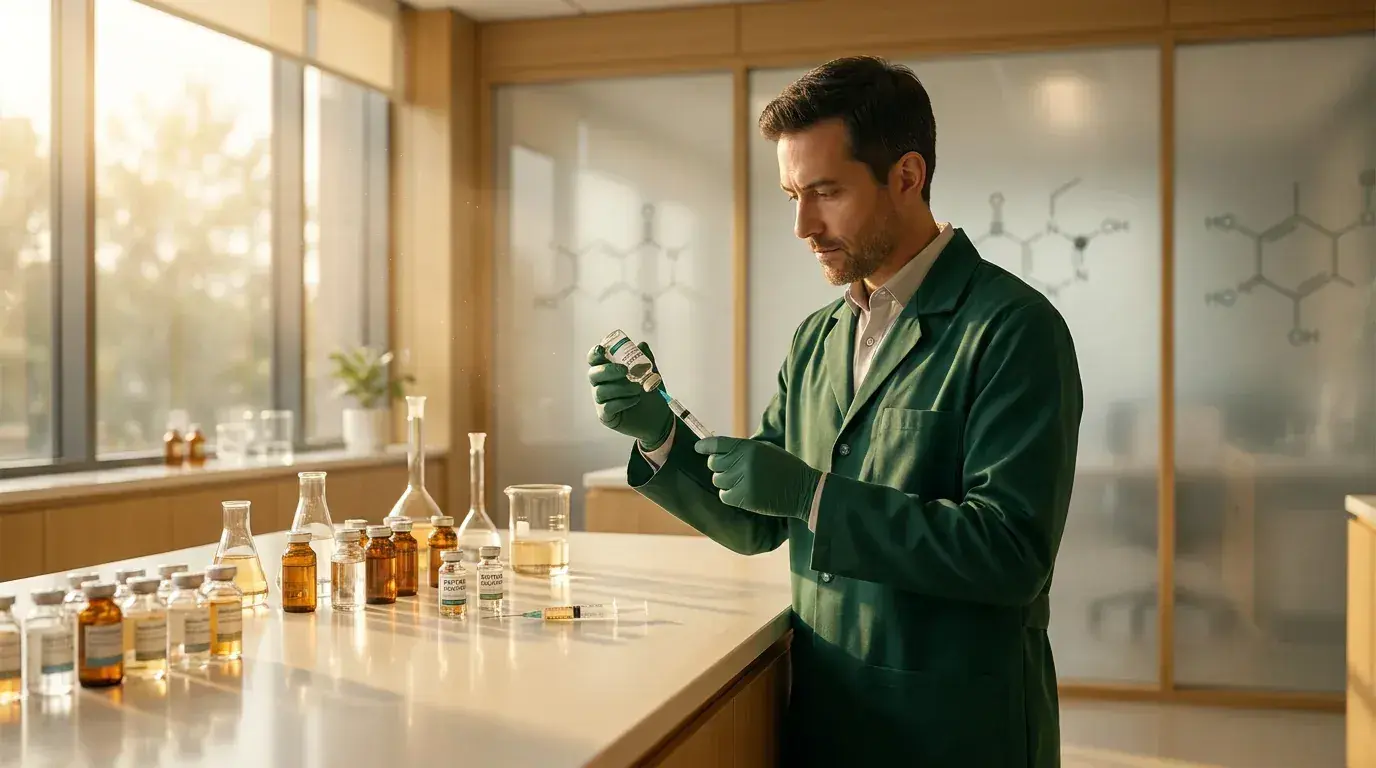
What Exactly Changed
In September 2023, the FDA placed 17+ peptides into Category 2 of its bulk drug substances list. Category 2 is the FDA's way of saying: these substances pose "significant safety risks," and we would consider taking enforcement action against any compounding pharmacy that uses them. In practical terms, it was a ban.
Fast forward to April 2026. The FDA updated its Section 503A categories and removed 12 of those peptides from Category 2. The official reason: the nominators withdrew their nominations. But the real story is what comes next.
The FDA's Pharmacy Compounding Advisory Committee (PCAC) has scheduled two meetings to formally evaluate these peptides for potential inclusion on the 503A Bulks List, which would make them legally available for compounding again.
The Full List: 12 Peptides Back on the Table
July 23-24, 2026 PCAC Meeting (7 peptides):
BPC-157 (for ulcerative colitis and gut healing), KPV (wound healing and inflammatory conditions), TB-500 / Thymosin Beta-4 (wound healing and muscle recovery), MOTs-C (obesity and metabolic regulation), Emideltide / DSIP (opioid withdrawal and chronic insomnia), Semax (cerebral ischemia and trigeminal neuralgia), Epitalon (insomnia and telomerase activation).
Before end of February 2027 PCAC Meeting (5 peptides):
Cathelicidin / LL-37 (antimicrobial and wound healing), GHK-Cu injectable (skin remodeling and collagen synthesis), Dihexa Acetate (cognitive enhancement and neuroprotection), Melanotan II (tanning and sexual dysfunction), PEG-MGF / Mechano Growth Factor (muscle repair and regeneration).
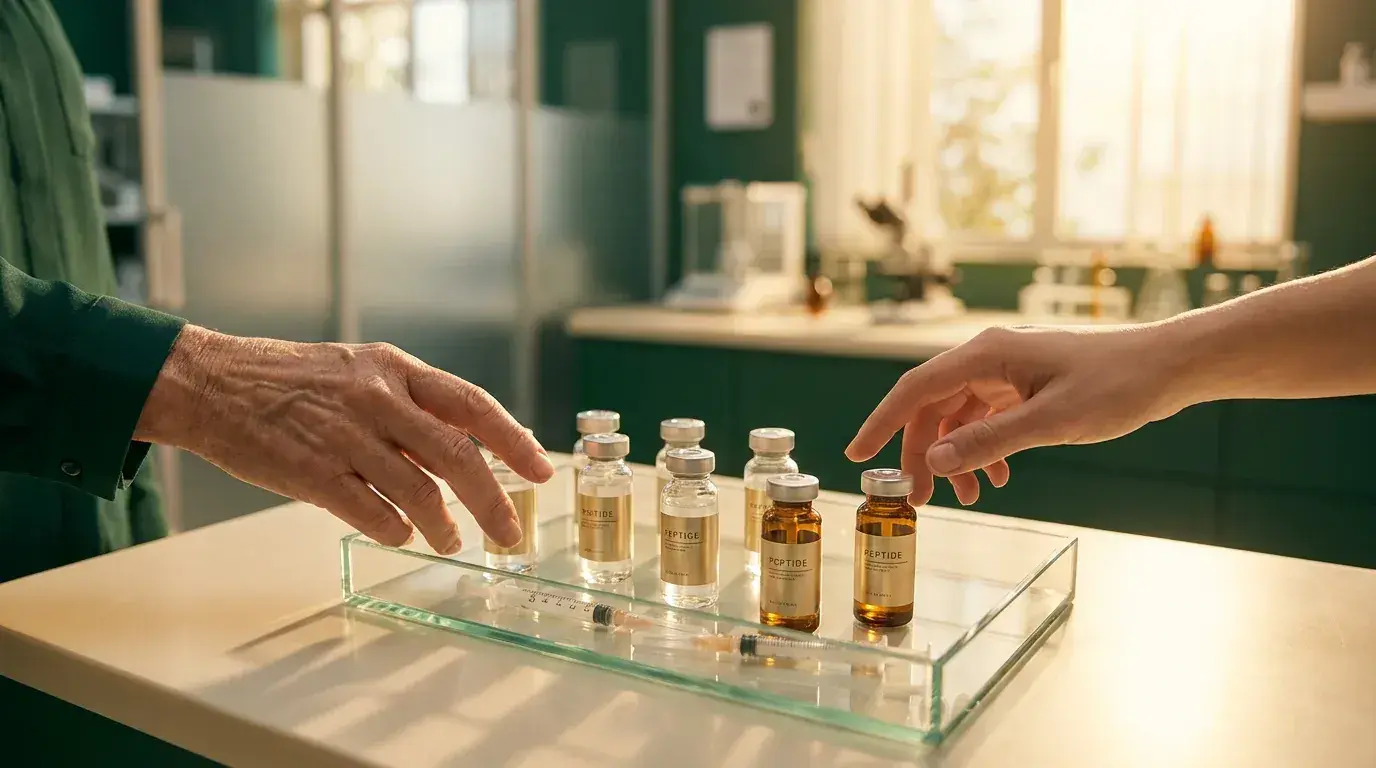
Why This Matters: The Gray Market Problem
Here's what most people don't realize about the 2023 Category 2 ban: it didn't stop people from using these peptides. It just pushed them to the gray market.
A 2024 analysis of gray market peptide suppliers found bacterial endotoxin contamination, major potency variance, and in some cases, entirely wrong compounds in the vial. When you ban legal access to a substance that people are going to use anyway, you don't eliminate demand. You eliminate quality control.
Scott Brunner, CEO of the Alliance for Pharmacy Compounding, put it bluntly: "Compounding pharmacies are being hammered by patients and prescribers to prepare these peptide drugs, and legally, they can't do it. Not yet, anyway. And that is stimulating the illicit, non-pharmacy actors in the gray market."
What Real Patients Are Saying
The demand for these peptides isn't theoretical. Reddit is full of people sharing their experiences with compounds that the FDA restricted.
BPC-157 for gut healing:
One Reddit user in r/ibs described suffering from lifelong IBS after having their gallbladder removed decades ago. After taking 500 mcg oral BPC-157 daily sublingual, they reported being completely symptom-free for over a month, calling it "the most consistent relief I've ever had." Five months later, the IBS remained under control even after stopping the peptide.
BPC-157 + TB-500 for chronic injuries:
A user in r/ShoulderInjuries shared that after three years of a crippling shoulder injury, two years of physical therapy, and multiple scans, three weeks of daily BPC-157 plus twice-weekly TB-500 subq injections took them from "shoulder at 20 percent to a solid 90 percent." They went from unable to bench 135 lbs to benching 225 lbs for seven reps. "I cried from relief after believing the injury was permanent," they wrote.
GHK-Cu for anti-aging:
An 82-year-old male in r/Biohackers reported using 2 mg GHK-Cu five days a week for five months: "No more bruising on my arms, my fingernails growing fast, skin is thicker, not bleeding anymore from bumping into things, my moles are disappearing. Mentally I'm happier too."
KPV for Crohn's disease:
A user in r/Biohackers reported that their brother with Crohn's disease achieved complete symptom resolution using oral BPC-157 plus subcutaneous KPV: "He literally never had any kind of stomach problems anymore, and his skin literally looked better than ever before."
What Happens Next: The July 2026 PCAC Meeting
The July 23-24 meeting is the first real test. Seven peptides, including heavyweights like BPC-157, TB-500, and KPV, will be formally evaluated on their scientific merits: clinical data, pharmacological evidence, and safety profiles.
If the PCAC recommends inclusion on the 503A Bulks List, these peptides could become legally available for compounding again. A Federal Register publication following the meeting would be the final legal step.
The public comment deadline is July 9, 2026 (docket FDA-2025-N-6895) for anyone who wants to submit evidence or testimony.
The Other Side: Safety Concerns Are Real
Not everyone is celebrating. The FDA's original 2023 decision cited legitimate concerns: immunogenicity risk, manufacturing impurities, insufficient human safety data, and "little meaningful evidence of efficacy" for many claimed indications.
Paul Knoepfler, a professor at UC Davis School of Medicine, told reporters: "There's just so little data that it's hard to even put your finger on all the possible risks."
The evidence hierarchy is uneven across these peptides. Thymosin Alpha-1 (a related peptide not in this batch) is approved as a drug in 35+ countries. Ipamorelin, Semax, and Selank have moderate clinical backing. But BPC-157 has extensive preclinical data with limited human trials, TB-500 has zero completed human RCTs, and Epitalon's evidence comes primarily from animal studies.
Melanotan II raises specific concerns about cardiovascular risk and skin cancer. PEG-MGF has minimal published human data. LL-37 has very limited safety data for systemic use.
The Bigger Picture: RFK Jr.'s HHS and Peptide Access
This regulatory shift is happening under HHS Secretary Robert F. Kennedy Jr., who has been vocal about his support for peptide access. On Joe Rogan's podcast in February 2026, Kennedy called the 2023 reclassification illegal and said he's "a big fan of peptides" who has used them "with really good effect."
Kennedy argues that the previous administration's restrictions created a black market producing "very, very substandard" ingredients, and that restoring regulated access will "immediately begin shifting demand away from the black market."
The telehealth company Hims & Hers Health praised the advisory committee plans as "an important step toward moving these treatments out of the gray market, and into more trusted channels." Their stock rose 13.7% on the news.
What You Should Do Right Now
Don't rush to buy peptides from unregulated sources. The July PCAC meeting is less than three months away. If the committee recommends inclusion on the 503A list, legal compounded versions with proper quality testing could be available by late 2026 or early 2027.
If you're currently using peptides obtained from gray market sources, talk to your doctor about the upcoming regulatory changes. A physician-supervised, pharmacy-compounded version is safer than anything you're getting from an online research chemical vendor.
If you want to influence the process, the public comment period is open through July 9, 2026. Submit your evidence and testimony to docket FDA-2025-N-6895.
The Oria Take
We've been covering the peptide reclassification saga since it started, and this is the most significant development yet. The FDA isn't just reconsidering its position, it's actively scheduling meetings to evaluate specific peptides for compounding access.
The science isn't perfect. Many of these peptides lack the large-scale human trials we'd want before making definitive claims. But the current system, where patients are forced to buy from unregulated vendors with no quality controls, is worse than imperfect. It's dangerous.
Regulated compounding access with physician oversight, quality testing, and proper sterility standards is a reasonable middle ground. It's not FDA approval, and it shouldn't be treated as such. But it's a hell of a lot better than the status quo.
Sources
FDA Bulk Drug Substances Nominated for Use in Compounding (updated April 22, 2026). FDA.gov.
FDA Considers Adding a Dozen Peptides to Its Bulk Drug Compounding List. RAPS. April 16, 2026.
FDA Advisory Committee Set to Weigh Taking Action on Certain Unapproved Peptides. Fierce Pharma. April 2026.
12 Peptides Are Coming Back to Legal Compounding. Hillary Lin, MD. LinkedIn. April 2026.
FDA To Review Whether To Allow More Access To Certain Peptides. Empri/MPR. April 15, 2026.
FormBlends 2026 State of Peptides Report. GlobeNewsWire. April 28, 2026.
Evidence Grade: B+ (Regulatory Action with Pending Scientific Review)
The FDA's removal of 12 peptides from Category 2 is a documented regulatory action with clear timelines and meeting schedules. The scientific evidence for individual peptides varies widely, from moderate (Semax, approved in Russia) to limited (TB-500, zero completed human RCTs). The grade reflects the regulatory certainty of the process, not the efficacy of individual compounds. Final evidence grades will depend on PCAC's evaluation in July 2026 and February 2027.
Disclaimer: This article is for informational purposes only and does not constitute medical advice. Peptide therapies should only be used under the supervision of a qualified healthcare provider. The FDA has not approved most peptides discussed in this article for any medical indication. Consult your physician before starting any peptide therapy. Oria BioStack provides educational content about peptide science and regulatory developments; we do not sell or distribute peptides.
Related Compounds
Build Your Personalised Protocol
Turn your research into a personalised supplementation protocol with the BioStack Generator.