
Beyond Weight Loss: How Retatrutide Rewires Fat Metabolism at the Cellular Level
New metabolomics data from Eli Lilly reveals retatrutide doesn't just shrink fat. It transforms dysfunctional fat tissue into a metabolically healthy organ through enhanced fatty acid oxidation and insulin resistance reversal.
Every weight loss drug before retatrutide worked the same way: shrink the fat. Fewer fat cells, smaller waistline, done. But a May 2026 study from Eli Lilly and Duke University just revealed that retatrutide does something fundamentally different. It doesn't just reduce fat mass. It transforms dysfunctional fat tissue into a metabolically healthy organ.
If you've been following the peptide space, you know retatrutide as the triple agonist hitting up to 24% body weight reduction in Phase 3 trials. That number grabs headlines. The metabolomics data behind it is what should grab your attention.
The Study: 495 Participants, Two Populations, Deep Molecular Profiling
Published in the Journal of Clinical Endocrinology and Metabolism on May 14, 2026, the study analyzed plasma samples from two Eli Lilly Phase 2 randomized, placebo-controlled trials. The first enrolled 282 participants with obesity but without type 2 diabetes, treated for 48 weeks. The second enrolled 213 participants with both obesity and type 2 diabetes, treated for 36 weeks. Doses ranged from 0.5 mg to 12 mg, with the T2D trial also including a dulaglutide comparison arm.
What makes this study unusual is the depth of analysis. Rather than just measuring weight and HbA1c, the researchers performed comprehensive metabolomics and lipidomics on fasting plasma samples. They looked at hundreds of individual metabolites and lipid species to understand what retatrutide is actually doing inside cells.
Two Metabolic Clusters Tell the Story
Cluster 1: Fat Burning Machinery Activated
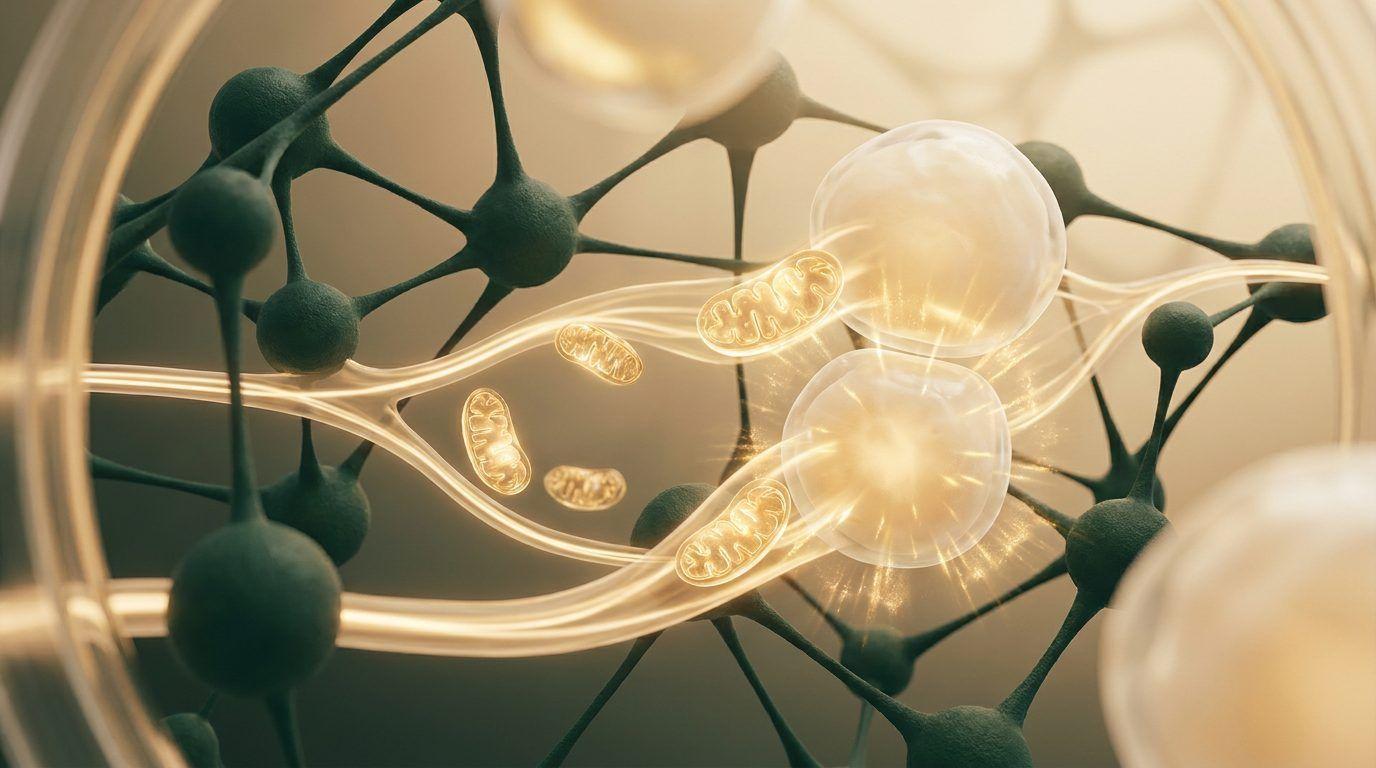
At higher retatrutide doses, researchers identified a coordinated shift in metabolites tied to fatty acid oxidation. Specifically, they found increases in 3-hydroxybutyrate (a ketone body signaling fat breakdown), acetylcarnitine, free carnitine, and fatty acid-derived long-chain acylcarnitines. These molecules are the biochemical fingerprints of enhanced mitochondrial fat burning.
Here's the number that matters: mediation analyses showed that changes in this fatty acid oxidation cluster explained 23.2% of the weight reduction in participants without type 2 diabetes. That means nearly a quarter of retatrutide's weight loss effect wasn't coming from appetite suppression alone. It was coming from the body actually burning more fat at the cellular level.
In participants with type 2 diabetes, this mediation dropped to 12.7%. The researchers suggest that insulin resistance blunts the fat-oxidation response, which has implications for how we think about treatment sequencing and combination approaches.
Cluster 2: Insulin Resistance Reversed
The second cluster revealed improvements in metabolites associated with insulin resistance: branched-chain amino acids (BCAAs) and their catabolic products, 2-aminoadipic acid, 2-hydroxybutyrate, urate, and triglycerides enriched in short-chain and saturated fatty acid side chains. Elevated BCAAs are a well-established marker of insulin resistance and metabolic syndrome. Their normalization suggests retatrutide is addressing the root metabolic dysfunction, not just masking symptoms.
These changes were consistent across both study populations and sustained through the study endpoints, suggesting durable metabolic remodeling rather than a transient pharmacological effect.
The Bigger Picture: Fat Tissue Quality, Not Just Quantity
A complementary April 2026 study from Harbin Medical University, published in Diabetology and Metabolic Syndrome, pushed the mechanistic picture even further. Using a high-fat diet mouse model with integrated transcriptomic and metabolomic profiling, the researchers found that retatrutide transforms dysfunctional white adipose tissue in ways that go well beyond simple fat reduction.
Specifically, retatrutide suppressed lipogenesis (fat creation), enhanced fatty acid oxidation and mitochondrial function, restored peroxisomal activity, downregulated inflammatory and fibrotic pathways, and promoted angiogenic and reparative signaling. Metabolomic analysis showed clearance of lipotoxic intermediates, decreased pro-inflammatory lipids, reduced collagen-derived metabolites (indicating less fibrosis), and elevated anti-inflammatory 15-HETE.
The authors' conclusion is worth quoting directly: retatrutide transforms dysfunctional white adipose tissue into a metabolically competent organ. The therapeutic goal, they argue, should be tissue quality restoration rather than mere mass reduction.
What This Means for the Peptide Landscape
These findings reframe retatrutide from a weight loss drug to a metabolic repair agent. The distinction matters for several reasons.
First, the glucagon receptor agonism component is doing real work. Traditional weight loss pharmacology viewed glucagon activation with suspicion because it raises blood glucose. But this data shows glucagon signaling is driving the enhanced fat oxidation and energy expenditure that makes retatrutide different from pure GLP-1 agonists like semaglutide or dual agonists like tirzepatide.
Second, the insulin resistance mediation data has clinical implications. If nearly a quarter of weight loss in non-diabetics comes from enhanced fat oxidation rather than appetite suppression alone, then combining retatrutide with lifestyle interventions that also enhance fat burning (resistance training, cold exposure, time-restricted eating) could produce additive benefits.
Third, the adipose tissue quality angle opens new therapeutic territory. Obesity isn't just about excess fat. It's about dysfunctional fat tissue that generates chronic inflammation, fibrosis, and metabolic disruption. If retatrutide can restore fat tissue function, it could address the downstream consequences of obesity that GLP-1 drugs alone don't fully resolve: cardiovascular disease, fatty liver, chronic kidney disease, and even neurodegeneration.
The Retatrutide Clinical Pipeline in 2026
The metabolomics data arrives as retatrutide's Phase 3 TRIUMPH program is well underway. The program uses a novel basket trial design, simultaneously evaluating retatrutide for obesity, obstructive sleep apnea, and knee osteoarthritis. A separate TRANSCEND-CKD trial is evaluating retatrutide in patients with chronic kidney disease, recognizing the metabolic kidney connection.
The incretin therapy landscape is evolving rapidly. A 2026 review in the Indian Journal of Medical Res noted that dual GIP/GLP-1 agonists like tirzepatide have already demonstrated up to 24% body weight reduction with improvements in hepatic and inflammatory markers. Retatrutide, as a triple agonist, appears to push the ceiling higher while adding qualitative metabolic improvements that its predecessors don't deliver.
The Oria Take
The peptide space has been dominated by weight loss numbers for the past two years. Semaglutide lost X pounds. Tirzepatide lost Y pounds. Retatrutide lost Z pounds. This metabolomics study signals a shift in the conversation from how much weight you lose to what happens to your fat tissue when you lose it.
For the biohacking community, this data validates what many have suspected: the triple agonist mechanism isn't just adding a third receptor for novelty. Glucagon receptor activation is driving genuine metabolic reprogramming at the mitochondrial level. That's a fundamentally different pharmacological profile than what GLP-1 monotherapy delivers.
Retatrutide isn't approved yet. Phase 3 results are expected through 2026 and into 2027. But the mechanistic data is building a case that this compound's real value isn't the weight loss number on the scale. It's the metabolic renovation happening in the tissue underneath.
Sources
Pearson MJ, Willency JA, Lin Y, et al. Retatrutide And Lipid And Metabolite Profiles In Participants With Obesity With Or Without Type 2 Diabetes. J Clin Endocrinol Metab. 2026 May 14. doi:10.1210/clinem/dgag201
Li Q, Cheng W, Zhang J, et al. Multi-omic profiling reveals Retatrutide alleviates adipose tissue fibrosis via metabolic reprogramming and tissue repair. Diabetol Metab Syndr. 2026 Apr 10;18(1):120.
Giblin K, Kaplan LM, Somers VK, et al. Retatrutide for the treatment of obesity, obstructive sleep apnea and knee osteoarthritis: Rationale and design of the TRIUMPH registrational clinical trials. Diabetes Obes Metab. 2026 Jan;28(1):83-93.
Gupta M, Shukla J. Evolution of incretin-based therapies: From GLP-1 monotherapy to dual and triple agonists. Indian J Med Res. 2026 Apr;163(4):427-435.
Elmendorf AJ, et al. IUPHAR review: From foe to friend: Repurposing glucagon to treat obesity and type 2 diabetes. Pharmacol Res. 2026 Jan;223:108077.
Neff GW. Shared mechanistic pathways of glucagon signalling: Unlocking its potential for treating obesity, MASLD, and other cardio-kidney-metabolic conditions. Diabetes Obes Metab. 2025 Dec;27(12):6869-6883.

Medical Disclaimer
This article is for educational purposes only and does not constitute medical advice. Retatrutide is an investigational drug that has not been approved by the FDA or any regulatory agency. Peptide therapies should only be used under the supervision of a qualified healthcare provider. The information presented here is based on published peer-reviewed research and is intended to help readers understand the evolving science of metabolic therapeutics.
Related Compounds
Build Your Personalised Protocol
Turn your research into a personalised supplementation protocol with the BioStack Generator.