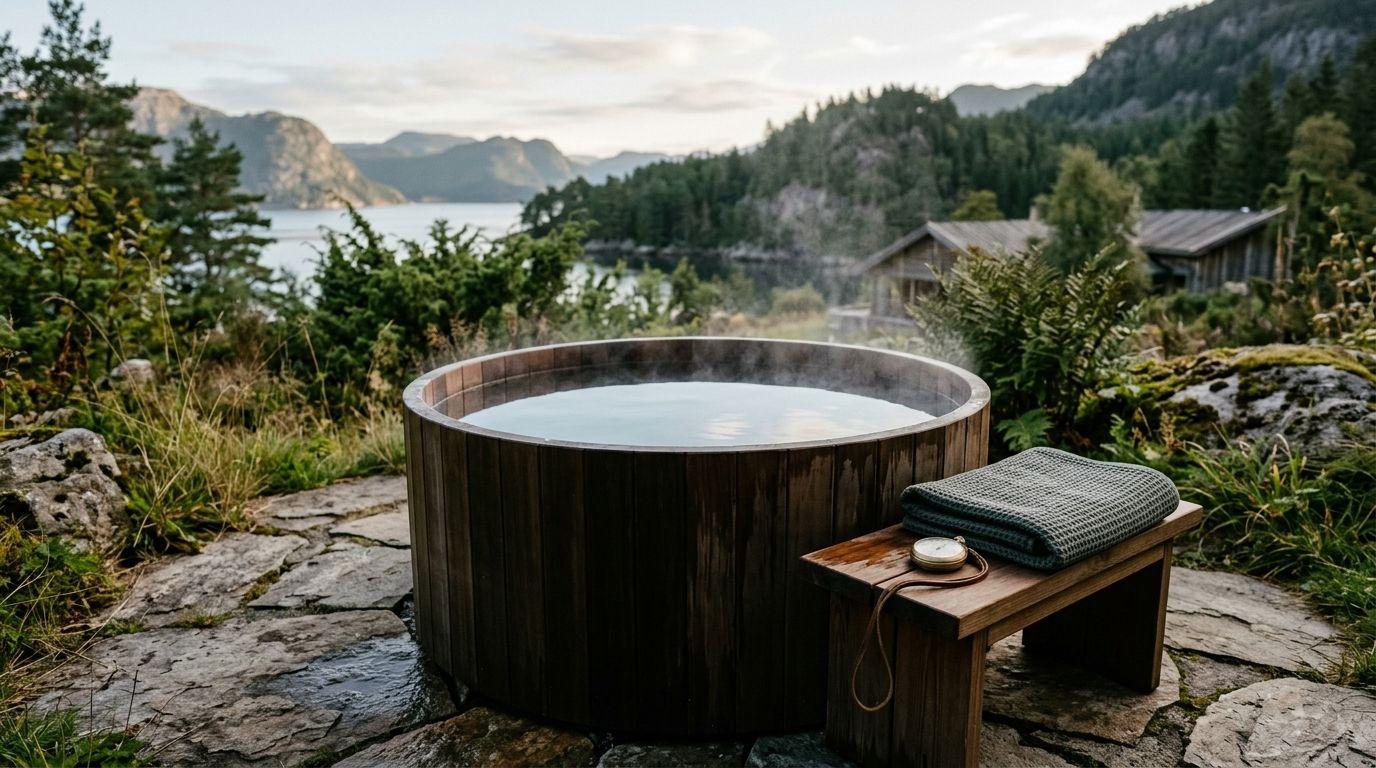
Does cold water immersion really destroy 66% of your muscle gains? Here is what peer-reviewed human trials reveal about mTORC1 phosphorylation, satellite cell suppression, and the exact 6-hour refractory window.
60-Second Clinical Brief
Research · November 17, 2026Does cold water immersion really destroy 66% of your muscle gains? Here is what peer-reviewed human trials reveal about mTORC1 phosphorylation, satellite cell suppression, and the exact 6-hour refractory window.
In the modern wellness explosion, cold water immersion (CWI)—commonly known as cold plunging or ice baths—has achieved near-mythical status. Endorsed by high-profile podcasters, elite athletes, and biohackers, it promises reduced systemic inflammation, massive dopamine spikes, enhanced mental grit, and accelerated physical recovery.
Yet in 2015, a landmark sports science study led by Dr. Llion Roberts sent shockwaves through the fitness community: **submerging in cold water immediately after lifting weights significantly blunted long-term muscle hypertrophy and strength gains** (PMID: 26174983).
Subsequent systematic reviews and meta-analyses (including Piñero et al., 2024) confirmed the finding: regular post-exercise cold plunging can reduce long-term muscle mass gains by 20% to 30%.
This sparked viral panic: *"Do ice baths destroy 66% of your muscle?"*
The answer is nuanced. Cold plunging does not destroy muscle tissue; rather, **it blunts the molecular signaling cascades required for muscle adaptation**.
Here is the exact cell biology of why post-workout cold water immersion halts hypertrophy, the mandatory 6-hour timing rule, and why cold *face* immersion gives you the nervous-system benefits with zero muscular sacrifice.
Muscle growth (hypertrophy) is not simply an accumulation of protein; it is a highly coordinated downstream response to mechanical tension and metabolic stress:
1. When you perform heavy resistance training, mechanical stretch triggers intracellular mechanosensors, releasing phosphatidic acid.
2. This activates **mTORC1 (mechanistic target of rapamycin complex 1)**, the master regulator of muscle protein synthesis (MPS).
3. Activated mTORC1 phosphorylates downstream kinases: **p70S6K** and **4E-BP1**, initiating ribosomal translation of new contractile actin and myosin filaments.
4. Concurrently, acute localized muscle damage triggers an inflammatory cytokine response (including IL-6 and TNF-alpha) and activates local **satellite cells** (muscle stem cells) to donate nuclei to existing muscle fibers, expanding long-term growth capacity.
Crucially: **Acute localized inflammation is not a design flaw; it is the essential biological trigger that orders your body to rebuild bigger and stronger.**
When you submerge your body in 45°F to 55°F (7°C to 12°C) water immediately after lifting:
If your primary goal is maximizing muscle mass, jumping into an ice bath right after lifting directly undermines your efforts.
Fortunately, you do not have to abandon cold plunging entirely. The conflict between cold water immersion and hypertrophy is strictly a matter of **timing**:
Many biohackers use cold plunging primarily for the mental dopamine surge and autonomic nervous system reset. If you want profound vagal activation immediately after training without freezing your muscular tissues:
For athletes combining cold exposure with tissue-healing peptides:
Explore your personal recovery and nervous system baseline with the [BioStack Recovery Engine](https://app.oriabiostack.com/?goal=recovery&utm_source=journal&utm_medium=article&utm_campaign=cold-plunge-hypertrophy).
This article is an educational review of published exercise physiology, sports science, and molecular signaling studies. It is strictly not medical or training advice. Always consult with a qualified sports medicine physician or exercise professional before adopting extreme thermal protocols.
The infamous GHK-Cu bee-sting burn, old injuries disappearing first, the Wolverine reinjury paradox, GHK-Cu hair shedding without zinc, BPC-157 caffeine blunting, and surprise gut relief—10 real-world patterns explained.