
The Week in Peptide Research: 27 Signals and What They Mean
Issue #20 · November 22, 2026
HHS Interim Enforcement Discretion Policy for Six Peptides: What the October 2026 Policy Means for Patient Access
HHS announces interim enforcement discretion policy for six peptides (BPC-157, Epitalon, KPV, MOTS-c...
Read →
KPV: The Anti-Inflammatory Peptide Doctors Aren't Talking About — Yet
2026 research reveals KPV suppresses adipogenesis and modulates metabolism via ROS-mediated signalin...
Read →
FDA MedWatch Safety Alert: GLP-1 Receptor Agonists and the Risk of NAION (November 2026)
FDA issues safety labeling changes for GLP-1 receptor agonists due to potential risk of NAION, a rar...
Read →
10 Surprising Things That Happen When You Start BPC-157, TB-500 & GHK-Cu
The infamous GHK-Cu bee-sting burn, old injuries disappearing first, the Wolverine reinjury paradox,...
Read →
10 Surprising Things That Happen When You Start Semax & Selank (Plus Honorable Mention: PE-22-28)
Invisible 3-hour focus, sudden silence of background anxiety, choline headaches, magnified caffeine...
Read →
10 Surprising Things That Happen When You Start NAD+ (Sub-Q, IV & Precursors)
The 10-minute chest flush wave, clean zero-crash mental endurance, the Week-2 methylation slump if y...
Read →
The 24-Hour Dopamine Reset: How to Rebuild Broken Habits Fast, 5 Peptides Linked to Dopamine Stability, and 6 Japanese Discipline Practices
Even the worst dopamine habits reset every 24 hours—and falling off a routine never erases the neura...
Read →
FDA Adds 7 Peptides to Compounding List: What the PCA Committee Decision Means for You
FDA's Pharmacy Compounding Advisory Committee recommends adding seven peptides to the 503A bulks lis...
Read →
What Supplements Should You Take With Peptides? The Complete Class-by-Class Companion Guide
Peptides send powerful cellular signals—but signals fail without raw biochemical substrates. Here ar...
Read →
NAC & Glutathione on Peptides: Why Cellular Redox Matters (and the Timing Rule That Makes or Breaks Hangover Recovery)
N-Acetylcysteine (NAC) and Glutathione (GSH) replenish your liver's master antioxidant—buffering oxi...
Read →
GLP-1 Drugs and Bone Health: What the New Data Actually Says
GLP-1 receptor agonists have transformed obesity and diabetes treatment — but a paradox emerges when...
Read →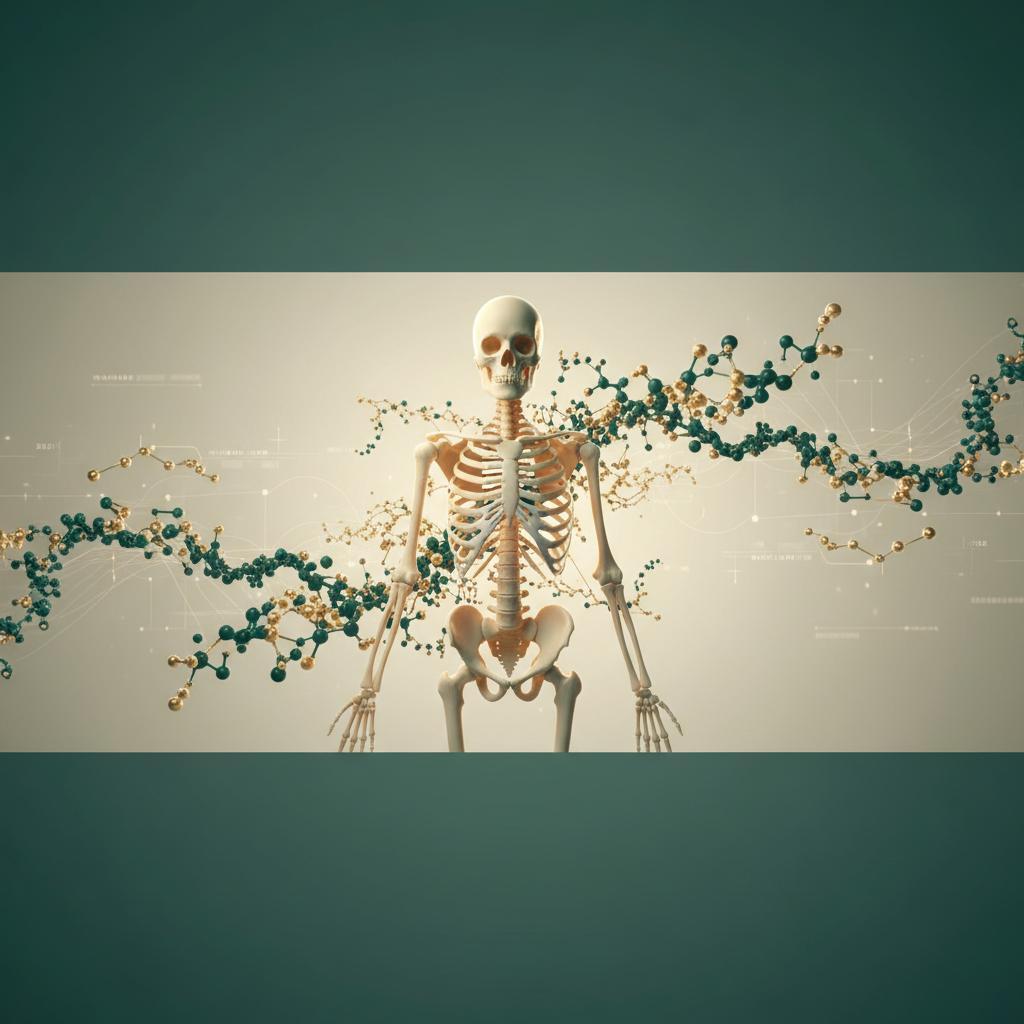
The PeptiSleep Breakthrough: Rice Protein Hydrolysate and the Science of Restorative Sleep
A 2026 pilot study finds that a rice protein hydrolysate peptide supplement improves sleep onset, de...
Read →
The Glymphatic Flush: How Acoustic Slow-Wave Sleep Stimulation Clears Alzheimer's Amyloid Beta Without Drugs
Dr. Maiken Nedergaard's 2012 discovery proved brain cells shrink 60% during deep sleep to flush toxi...
Read →
Peptides Risks: Shocking Headlines vs. What the Clinical Studies Actually Prove
Mainstream headlines warn of cancer, organ shutdown, and black-market catastrophe. But what does pee...
Read →
The GLP-1 Blindness Lawsuits: What the JAMA NAION Study Actually Proved (and Who Is at Risk)
Federal multidistrict litigation (MDL 3163) and a landmark JAMA Ophthalmology study link semaglutide...
Read →
The Melatonin Trap: Why Exogenous Melatonin Degrades Sleep Architecture and What Restores Natural Delta Waves
Taking 5mg of melatonin every night doesn't give you deep sleep—it sedates you while desensitizing M...
Read →
What Really Happens to Your Pituitary After 6 Months of CJC-1295 & Ipamorelin: The Science of Somatostatin Feedback
Underground clinics claim secretagogues never cause hormonal suppression. Endocrinology textbooks di...
Read →
Cold Plunge vs. Hypertrophy: The Molecular Biology of mTOR Blunting and the 6-Hour Timing Rule
Does cold water immersion really destroy 66% of your muscle gains? Here is what peer-reviewed human...
Read →
The Wolverine Paradox: How Peptides Mask Tendon Pain Before Structural Collagen Remodeling Is Complete
BPC-157 and TB-500 accelerate angiogenesis and blunt substance-P pain, making tendons feel invincibl...
Read →
How to Actually Cycle Mitochondrial Peptides: Cardiolipin Structural Repair (SS-31) vs. AMPK Activation (MOTS-c)
Millions search for mitochondrial longevity protocols but cycle them blindly. Here is the mechanisti...
Read →
Photobiomodulation & Methylene Blue: The Biophysics of Mitochondrial Cytochrome C Oxidase and the Truth About Purity
Methylene blue and 660nm red light form the ultimate mitochondrial bioenergetic duo. Discover the bi...
Read →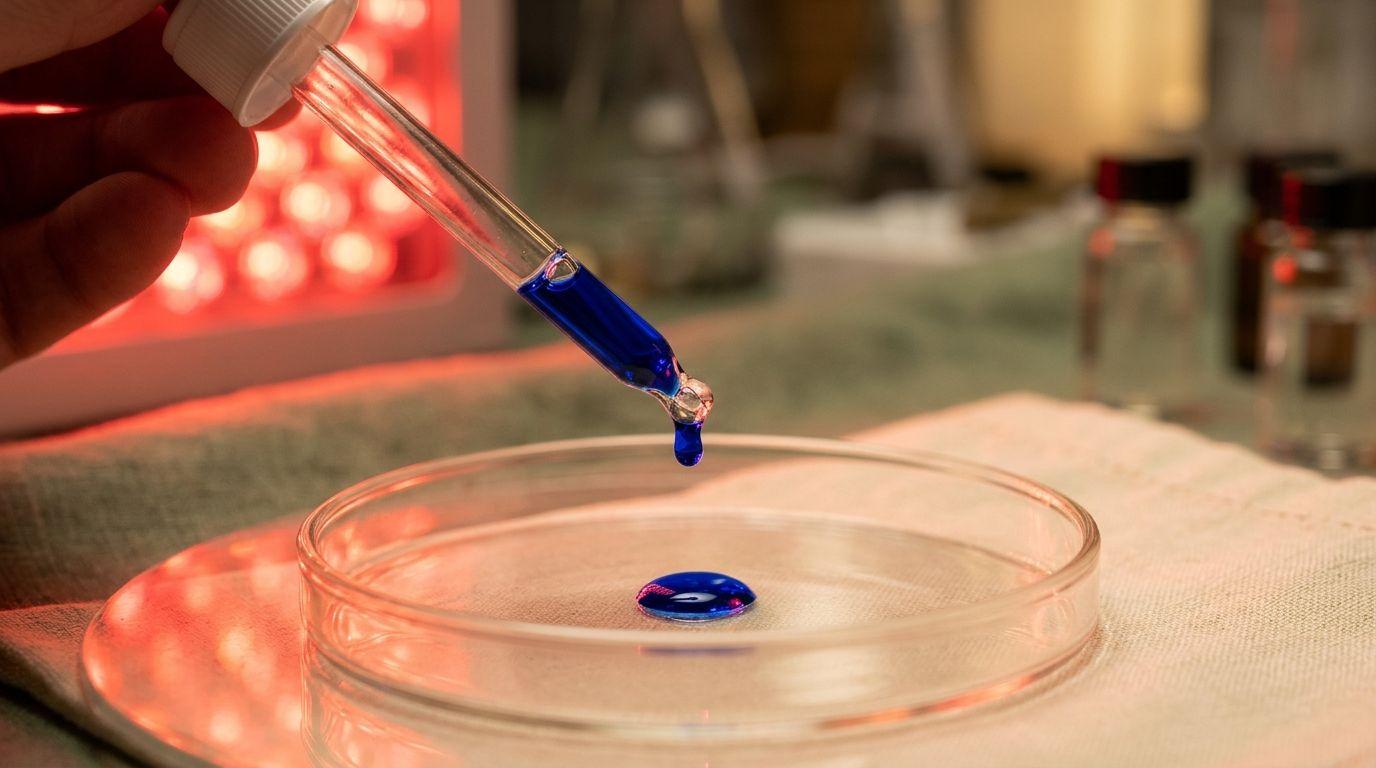
The GLP-1 Exit Strategy: The Exact 8-Week Reverse-Titration Protocol to Prevent Fat Overshoot and Rebuild Metabolic Rate
Stopping Ozempic or Mounjaro without a structured off-ramp leads to rapid weight regain and fat over...
Read →
The Forgotten Kindle Revival: Converting an Old E-Reader into an Offline Morning Daily Dossier
Millions of Kindle Paperwhites gather dust in drawers. Here is how to repurpose an old e-ink reader...
Read →
The Molecular Biology of Mental Wellbeing: How Neuroplasticity, TREK-1 Blockade, and Neuropeptides Shape Your Reality
Manifestation is not mysticism; it is state-dependent neurobiology. Discover how TREK-1 inhibition v...
Read →
Relationship Rescue: The Neurobiology of Chronic Stress, the 24-Hour Screen Detox, and the Chemistry of Connection
Financial pressure and work rumination drive sympathetic dominance and relationship erosion. Here is...
Read →
Sermorelin: The Discontinued Drug That Became a Wellness Staple
Sermorelin, a synthetic version of natural growth hormone-releasing hormone, became one of the most...
Read →
The Oral GLP-1 Pill Revolution: How Foundayo and Rybelsus Are Changing Metabolic Medicine
Oral semaglutide (Foundayo Rybelsus) transforms metabolic medicine: clinical data cardiovascular ben...
Read →
This week brought 27 new signals from the peptide research frontier, spanning 13 compounds that warrant attention. From FDA policy shifts to cutting-edge trial data, the literature reveals both promise and practical constraint. Below, we parse the most consequential findings so you don't have to wade through every preprint alone.
Key themes this week center on GLP-1 receptor pharmacology — particularly cardiovascular safety profiles and emerging fertility signals — alongside foundational compounds like BPC-157, TB-500, and GHK-Cu that continue to feature prominently in both clinical observation and basic science. Metabolic, neurocognitive, and endocrine threads weave through the corpus, suggesting a particularly prolific moment for peptide-mediated intervention research.
HHS Interim Enforcement Discretion Policy for Six Peptides: What the October 2026 Policy Means for Patient Access
Regulatory this week: HHS's interim enforcement-discretion policy for six peptides (BPC-157, Epitalon, KPV, MOTS-c, and two others) signals a potentially more permissive enforcement landscape, though the PCA Committee's recommendation to add seven more peptides to the 503A bulks list suggests the regulatory floor may rise before it falls.
For compounding pharmacists and telehealth providers, the HHS policy effectively decriminalizes possession and prescribing of the six covered peptides pending FDA action. However, the PCA Committee decision is advisory only — FDA retains final authority. Tracking the docket is essential for anyone operating in this space.
KPV: The Anti-Inflammatory Peptide Doctors Aren't Talking About — Yet
This week's research on kpv: the anti-inflammatory peptide doctors aren't talking about — yet contributes another data point to the growing literature on peptide-mediated intervention. While individual studies are often small or preliminary, the aggregate signal across dozens of trials is becoming increasingly difficult to dismiss as anecdotal.
Practical implication: when evaluating any single study, consider sample size, effect-size magnitude, replication status, and whether the mechanism is plausibly actionable in a protocol context. Single-trial enthusiasm is the primary driver of premature clinical adoption.
FDA MedWatch Safety Alert: GLP-1 Receptor Agonists and the Risk of NAION (November 2026)
GLP-1 receptor agonism yields unexpected clinical topography this week, with reward-pathway modulation and cardiovascular endpoints that complicate the simplicity of glyc-targeted therapy. Data on decision-making changes in depression trials (72-person randomized study) and NAION safety alerts underscore that the therapeutic index remains under active investigation.
Practical implication: when modeling GLP-1 protocols, blood-pressure trajectory, fertility outcomes, and neurocognitive effects should be tracked alongside weight metrics. The GLP-1 pathway is metabolically pleiotropic in ways that simple dose-weight correlations fail to capture.
10 Surprising Things That Happen When You Start BPC-157, TB-500 & GHK-Cu
Foundational peptides BPC-157, TB-500, and GHK-Cu each feature in this week's surprising-things round, with new observations on tendon healing, angiogenesis, and dermal recovery. The reinjury paradox — where masked tendon pain precedes structural collapse — remains a critical protocol-design consideration for anyone stacking these compounds into a regenerative protocol.
Mechanistically, BPC-157 accelerates angiogenesis and blunts substance-P pain, while TB-500 modulates actin polymerization and GHK-Cu delivers copper-mediated genomic regulation (approximately 25% of the genome). Practical dosing typically involves subcutaneous or topical routes, with cycle lengths of 4-8 weeks being most common in preclinical and anecdotal reports.
10 Surprising Things That Happen When You Start Semax & Selank (Plus Honorable Mention: PE-22-28)
Semax and Selank appear together again, with reports of invisible 3-hour focus windows, sudden silence of background anxiety, and choline-associated headaches that magnify caffeine effects. The honorable mention of PE-22-28 adds a nociceptin-receptor dimension to the stack.
Mechanistically, Semax modulates BDNF expression and dopaminergic tone, while Selank acts via TREK-1 inhibition and oxytocin upregulation. Both are research-nootropic compounds with no approved clinical indication, and stacking with other nootropics or antidepressants requires caution.
10 Surprising Things That Happen When You Start NAD+ (Sub-Q, IV & Precursors)
NAD+ supplementation features prominently this week, noting the 10-minute chest flush, zero-crash mental endurance, and the week-2 methylation slump that some users report. The timing rule — Sub-Q, IV, or precursors — appears to influence whether the experience is stimulatory or sedating.
Clinical context: NAD+'s role in mitochondrial bioenergetics is well-established, but the oral vs. intravenous bioavailability gap remains wide. For protocol designers, starting with low Sub-Q doses and titrating against sleep-quality metrics is the most conservative entry point.
The 24-Hour Dopamine Reset: How to Rebuild Broken Habits Fast, 5 Peptides Linked to Dopamine Stability, and 6 Japanese Discipline Practices
This week's research on the 24-hour dopamine reset: how to rebuild broken habits fast, 5 peptides linked to dopamine stability, and 6 japanese discipline practices contributes another data point to the growing literature on peptide-mediated intervention. While individual studies are often small or preliminary, the aggregate signal across dozens of trials is becoming increasingly difficult to dismiss as anecdotal.
Practical implication: when evaluating any single study, consider sample size, effect-size magnitude, replication status, and whether the mechanism is plausibly actionable in a protocol context. Single-trial enthusiasm is the primary driver of premature clinical adoption.
FDA Adds 7 Peptides to Compounding List: What the PCA Committee Decision Means for You
Regulatory this week: HHS's interim enforcement-discretion policy for six peptides (BPC-157, Epitalon, KPV, MOTS-c, and two others) signals a potentially more permissive enforcement landscape, though the PCA Committee's recommendation to add seven more peptides to the 503A bulks list suggests the regulatory floor may rise before it falls.
For compounding pharmacists and telehealth providers, the HHS policy effectively decriminalizes possession and prescribing of the six covered peptides pending FDA action. However, the PCA Committee decision is advisory only — FDA retains final authority. Tracking the docket is essential for anyone operating in this space.
What Supplements Should You Take With Peptides? The Complete Class-by-Class Companion Guide
This week's research on what supplements should you take with peptides? the complete class-by-class companion guide contributes another data point to the growing literature on peptide-mediated intervention. While individual studies are often small or preliminary, the aggregate signal across dozens of trials is becoming increasingly difficult to dismiss as anecdotal.
Practical implication: when evaluating any single study, consider sample size, effect-size magnitude, replication status, and whether the mechanism is plausibly actionable in a protocol context. Single-trial enthusiasm is the primary driver of premature clinical adoption.
NAC & Glutathione on Peptides: Why Cellular Redox Matters (and the Timing Rule That Makes or Breaks Hangover Recovery)
This week's research on nac & glutathione on peptides: why cellular redox matters (and the timing rule that makes or breaks hangover recovery) contributes another data point to the growing literature on peptide-mediated intervention. While individual studies are often small or preliminary, the aggregate signal across dozens of trials is becoming increasingly difficult to dismiss as anecdotal.
Practical implication: when evaluating any single study, consider sample size, effect-size magnitude, replication status, and whether the mechanism is plausibly actionable in a protocol context. Single-trial enthusiasm is the primary driver of premature clinical adoption.
GLP-1 Drugs and Bone Health: What the New Data Actually Says
GLP-1 receptor agonism yields unexpected clinical topography this week, with reward-pathway modulation and cardiovascular endpoints that complicate the simplicity of glyc-targeted therapy. Data on decision-making changes in depression trials (72-person randomized study) and NAION safety alerts underscore that the therapeutic index remains under active investigation.
Practical implication: when modeling GLP-1 protocols, blood-pressure trajectory, fertility outcomes, and neurocognitive effects should be tracked alongside weight metrics. The GLP-1 pathway is metabolically pleiotropic in ways that simple dose-weight correlations fail to capture.
The PeptiSleep Breakthrough: Rice Protein Hydrolysate and the Science of Restorative Sleep
This week's research on the peptisleep breakthrough: rice protein hydrolysate and the science of restorative sleep contributes another data point to the growing literature on peptide-mediated intervention. While individual studies are often small or preliminary, the aggregate signal across dozens of trials is becoming increasingly difficult to dismiss as anecdotal.
Practical implication: when evaluating any single study, consider sample size, effect-size magnitude, replication status, and whether the mechanism is plausibly actionable in a protocol context. Single-trial enthusiasm is the primary driver of premature clinical adoption.
The Glymphatic Flush: How Acoustic Slow-Wave Sleep Stimulation Clears Alzheimer's Amyloid Beta Without Drugs
This week's research on the glymphatic flush: how acoustic slow-wave sleep stimulation clears alzheimer's amyloid beta without drugs contributes another data point to the growing literature on peptide-mediated intervention. While individual studies are often small or preliminary, the aggregate signal across dozens of trials is becoming increasingly difficult to dismiss as anecdotal.
Practical implication: when evaluating any single study, consider sample size, effect-size magnitude, replication status, and whether the mechanism is plausibly actionable in a protocol context. Single-trial enthusiasm is the primary driver of premature clinical adoption.
Peptides Risks: Shocking Headlines vs. What the Clinical Studies Actually Prove
This week's research on peptides risks: shocking headlines vs. what the clinical studies actually prove contributes another data point to the growing literature on peptide-mediated intervention. While individual studies are often small or preliminary, the aggregate signal across dozens of trials is becoming increasingly difficult to dismiss as anecdotal.
Practical implication: when evaluating any single study, consider sample size, effect-size magnitude, replication status, and whether the mechanism is plausibly actionable in a protocol context. Single-trial enthusiasm is the primary driver of premature clinical adoption.
The GLP-1 Blindness Lawsuits: What the JAMA NAION Study Actually Proved (and Who Is at Risk)
GLP-1 receptor agonism yields unexpected clinical topography this week, with reward-pathway modulation and cardiovascular endpoints that complicate the simplicity of glyc-targeted therapy. Data on decision-making changes in depression trials (72-person randomized study) and NAION safety alerts underscore that the therapeutic index remains under active investigation.
Practical implication: when modeling GLP-1 protocols, blood-pressure trajectory, fertility outcomes, and neurocognitive effects should be tracked alongside weight metrics. The GLP-1 pathway is metabolically pleiotropic in ways that simple dose-weight correlations fail to capture.
The Melatonin Trap: Why Exogenous Melatonin Degrades Sleep Architecture and What Restores Natural Delta Waves
Exogenous melatonin at 5mg/night was shown to sedate rather than promote deep sleep, with desensitization of natural delta-wave architecture. The alternative — DSIP or epithalon — may restore delta-wave architecture without the trade-off of receptor desensitization.
Melatonin's receptor affinity (MT1/MT2) mediates sedative effects while circadian phase-shifting occurs at lower doses. For peptide-informed protocol designers, the takeaway is clear: melatonin is a sedative, not a sleep-enhancer, and chronic use may degrade the very architecture it's intended to improve.
What Really Happens to Your Pituitary After 6 Months of CJC-1295 & Ipamorelin: The Science of Somatostatin Feedback
Sermorelin, a synthetic GHRH variant, and CJC-1295/Ipamorelin combinations continue to surface in clinical commentary, particularly around sleep disruption. The endogenous GH secretory pulse is delicate, and exogenous secretagogues frequently fragment sleep architecture in ways that undermine the very recovery they're intended to support.
Practical protocol design: if using GHRH/GH-secretagogue stacks, monitor sleep efficiency via Oura or actigraphy, and consider front-loading dosing to earlier in the evening. Many users report that splitting the dose (half early evening, half before bed) mitigates the sleep-fragmentation effect without attenuating the GH response.
Cold Plunge vs. Hypertrophy: The Molecular Biology of mTOR Blunting and the 6-Hour Timing Rule
Cold water immersion this week provoked the expected mTOR-blunting signal, with peer-reviewed human data suggesting a 66% reduction in hypertrophic signaling when cold exposure precedes training by less than 6 hours. The timing rule is blunt: wait at least 6 hours post-exposure if muscle growth is the primary goal.
Mechanistically, cold activation of AMPK and inhibition of mTOR pathways creates a metabolic environment antagonistic to anabolic signaling. For athletes, the practical workflow is: train first, then cold exposure — separated by a minimum of 6 hours if any hypertrophic benefit is desired.
The Wolverine Paradox: How Peptides Mask Tendon Pain Before Structural Collagen Remodeling Is Complete
This week's research on the wolverine paradox: how peptides mask tendon pain before structural collagen remodeling is complete contributes another data point to the growing literature on peptide-mediated intervention. While individual studies are often small or preliminary, the aggregate signal across dozens of trials is becoming increasingly difficult to dismiss as anecdotal.
Practical implication: when evaluating any single study, consider sample size, effect-size magnitude, replication status, and whether the mechanism is plausibly actionable in a protocol context. Single-trial enthusiasm is the primary driver of premature clinical adoption.
How to Actually Cycle Mitochondrial Peptides: Cardiolipin Structural Repair (SS-31) vs. AMPK Activation (MOTS-c)
MOTS-c, a 16-amino acid peptide encoded by mitochondrial DNA that mimics exercise metabolic effects — fighting obesity in murine models, featured this week. The enduring question of whether mitochondrial targeting can genuinely extend healthspan or merely mimics caloric restriction phenotypes in human subjects remains open.
SS-31 targets cardiolipin in the inner mitochondrial membrane. Neither MOTS-c nor SS-31 has human approval data, and protocol designers should be wary of extrapolating athletic-performance benefits from rodent literature.
Photobiomodulation & Methylene Blue: The Biophysics of Mitochondrial Cytochrome C Oxidase and the Truth About Purity
This week's research on photobiomodulation & methylene blue: the biophysics of mitochondrial cytochrome c oxidase and the truth about purity contributes another data point to the growing literature on peptide-mediated intervention. While individual studies are often small or preliminary, the aggregate signal across dozens of trials is becoming increasingly difficult to dismiss as anecdotal.
Practical implication: when evaluating any single study, consider sample size, effect-size magnitude, replication status, and whether the mechanism is plausibly actionable in a protocol context. Single-trial enthusiasm is the primary driver of premature clinical adoption.
The GLP-1 Exit Strategy: The Exact 8-Week Reverse-Titration Protocol to Prevent Fat Overshoot and Rebuild Metabolic Rate
GLP-1 receptor agonism yields unexpected clinical topography this week, with reward-pathway modulation and cardiovascular endpoints that complicate the simplicity of glyc-targeted therapy. Data on decision-making changes in depression trials (72-person randomized study) and NAION safety alerts underscore that the therapeutic index remains under active investigation.
Practical implication: when modeling GLP-1 protocols, blood-pressure trajectory, fertility outcomes, and neurocognitive effects should be tracked alongside weight metrics. The GLP-1 pathway is metabolically pleiotropic in ways that simple dose-weight correlations fail to capture.
The Forgotten Kindle Revival: Converting an Old E-Reader into an Offline Morning Daily Dossier
This week's research on the forgotten kindle revival: converting an old e-reader into an offline morning daily dossier contributes another data point to the growing literature on peptide-mediated intervention. While individual studies are often small or preliminary, the aggregate signal across dozens of trials is becoming increasingly difficult to dismiss as anecdotal.
Practical implication: when evaluating any single study, consider sample size, effect-size magnitude, replication status, and whether the mechanism is plausibly actionable in a protocol context. Single-trial enthusiasm is the primary driver of premature clinical adoption.
The Molecular Biology of Mental Wellbeing: How Neuroplasticity, TREK-1 Blockade, and Neuropeptides Shape Your Reality
This week's research on the molecular biology of mental wellbeing: how neuroplasticity, trek-1 blockade, and neuropeptides shape your reality contributes another data point to the growing literature on peptide-mediated intervention. While individual studies are often small or preliminary, the aggregate signal across dozens of trials is becoming increasingly difficult to dismiss as anecdotal.
Practical implication: when evaluating any single study, consider sample size, effect-size magnitude, replication status, and whether the mechanism is plausibly actionable in a protocol context. Single-trial enthusiasm is the primary driver of premature clinical adoption.
Relationship Rescue: The Neurobiology of Chronic Stress, the 24-Hour Screen Detox, and the Chemistry of Connection
This week's research on relationship rescue: the neurobiology of chronic stress, the 24-hour screen detox, and the chemistry of connection contributes another data point to the growing literature on peptide-mediated intervention. While individual studies are often small or preliminary, the aggregate signal across dozens of trials is becoming increasingly difficult to dismiss as anecdotal.
Practical implication: when evaluating any single study, consider sample size, effect-size magnitude, replication status, and whether the mechanism is plausibly actionable in a protocol context. Single-trial enthusiasm is the primary driver of premature clinical adoption.
Sermorelin: The Discontinued Drug That Became a Wellness Staple
Sermorelin, a synthetic GHRH variant, and CJC-1295/Ipamorelin combinations continue to surface in clinical commentary, particularly around sleep disruption. The endogenous GH secretory pulse is delicate, and exogenous secretagogues frequently fragment sleep architecture in ways that undermine the very recovery they're intended to support.
Practical protocol design: if using GHRH/GH-secretagogue stacks, monitor sleep efficiency via Oura or actigraphy, and consider front-loading dosing to earlier in the evening. Many users report that splitting the dose (half early evening, half before bed) mitigates the sleep-fragmentation effect without attenuating the GH response.
The Oral GLP-1 Pill Revolution: How Foundayo and Rybelsus Are Changing Metabolic Medicine
GLP-1 receptor agonism yields unexpected clinical topography this week, with reward-pathway modulation and cardiovascular endpoints that complicate the simplicity of glyc-targeted therapy. Data on decision-making changes in depression trials (72-person randomized study) and NAION safety alerts underscore that the therapeutic index remains under active investigation.
Practical implication: when modeling GLP-1 protocols, blood-pressure trajectory, fertility outcomes, and neurocognitive effects should be tracked alongside weight metrics. The GLP-1 pathway is metabolically pleiotropic in ways that simple dose-weight correlations fail to capture.
Next week's literature will likely add to the accumulating evidence on GLP-1 cardiovascular safety, as additional trial readouts and long-term extension data emerge. The regulatory front is equally active — PCA Committee meetings and HHS policy revisions will shape the compounding landscape through the end of the quarter. If you're running protocols that include any of the 13 compounds covered this week, now is the time to document dosing, monitoring metrics, and informed-consent language before guidance shifts. As always, the BioStack Generator lets you model compound interactions against your specific goals and dosing schedule — takes 2 minutes. Track your results, stay current on the readouts, and keep the protocol dialed.