
Deep Dives into Peptide Science
Research breakdowns, protocol design, and the latest findings from the world of peptide science. Written for researchers who care about the evidence.

VK2735: The Oral Weight Loss Pill That Lost 26 Pounds in 13 Weeks
Viking Therapeutics just showed that their oral dual GLP-1/GIP agonist VK2735 produced 12.2% weight loss in 13 weeks — no injections required. Here's what the Phase 2 data means for the future of weight loss pills.
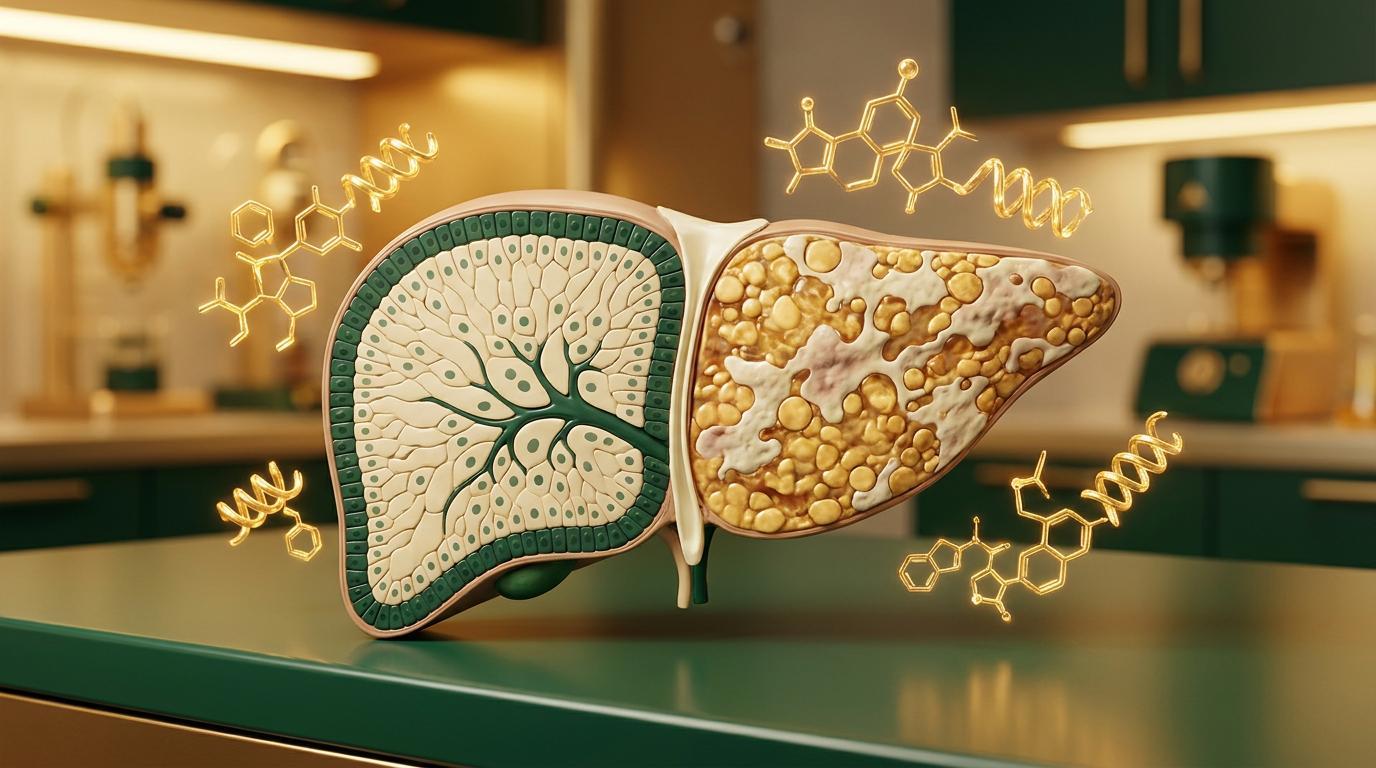
Survodutide Shrinks Liver Fat by 84% in Phase 3 Trial — A New Era for Fatty Liver Disease
A landmark Nature Medicine trial shows survodutide dramatically reduces liver fat and body weight in patients with fatty liver disease. Here's what the data actually says.
Why BPC-157 Still Hasn't Reached Clinical Trials After 30 Years of Research
BPC-157 has thousands of preclinical studies showing tissue-healing effects across nearly every organ system. So why does it still have zero completed clinical trials? A May 2026 review finally explains the gap.

Do GLP-1 Drugs Sabotage Fat Grafts? What the Latest Surgery Data Actually Shows
New studies show semaglutide users face a 45% complication rate in cosmetic surgery. Here's why GLP-1 drugs interfere with fat graft biology and what surgeons are doing about it.

Thymosin Alpha-1 in Cancer Immunotherapy: New Mechanism Restores Immunity After Chemo
Three 2026 studies reveal how thymosin alpha-1 restores antitumor immunity after chemotherapy, reverses T-cell exhaustion, and synergizes with checkpoint inhibitors.

Semaglutide Cuts Cardiovascular Events by 25% in Rheumatoid Arthritis Patients: New Study
A June 2026 study found semaglutide reduced major cardiovascular events by 25% and heart failure by 31% in obese adults with type 2 diabetes and rheumatoid arthritis, with a surprising bonus: fewer patients needed stronger RA medications.

GLP-1 Drugs and Your Lungs: What a New Systematic Review Actually Found
A new systematic review of 19 studies maps respiratory safety signals for GLP-1 receptor agonists. The findings are reassuring for most users, with one significant exception: aspiration risk during surgery.
Dulaglutide and Multiple Sclerosis: First GLP-1RA Trial Shows Walking Speed Improvements
A randomized trial found dulaglutide improved walking speed and manual dexterity in MS patients — the first human evidence that GLP-1 drugs may protect the brain beyond weight loss.

Tirzepatide vs Semaglutide: 2026 Real-World Data Crowns a Clear Winner
Two massive studies — 10,339 matched pairs in PNAS Nexus and 45,093 patients in The Lancet — deliver the clearest comparison yet of GLP-1 weight loss drugs. Tirzepatide wins on nearly every metric.

Amycretin Just Crushed Semaglutide in a Weight Loss Meta-Analysis. Here Is What the Data Actually Show.
A network meta-analysis of 6 RCTs found amycretin produced 24% weight loss versus semaglutide’s 11%. The amylin pathway is the next frontier in obesity treatment.

Semaglutide for Schizophrenia: GLP-1 Drugs May Save Lives in Psychiatry's Most Underserved Population
New clinical trials show semaglutide produces dramatic weight loss and metabolic improvements in people with schizophrenia on antipsychotics, without worsening psychiatric symptoms. A meta-analysis of 595 patients confirms the signal.